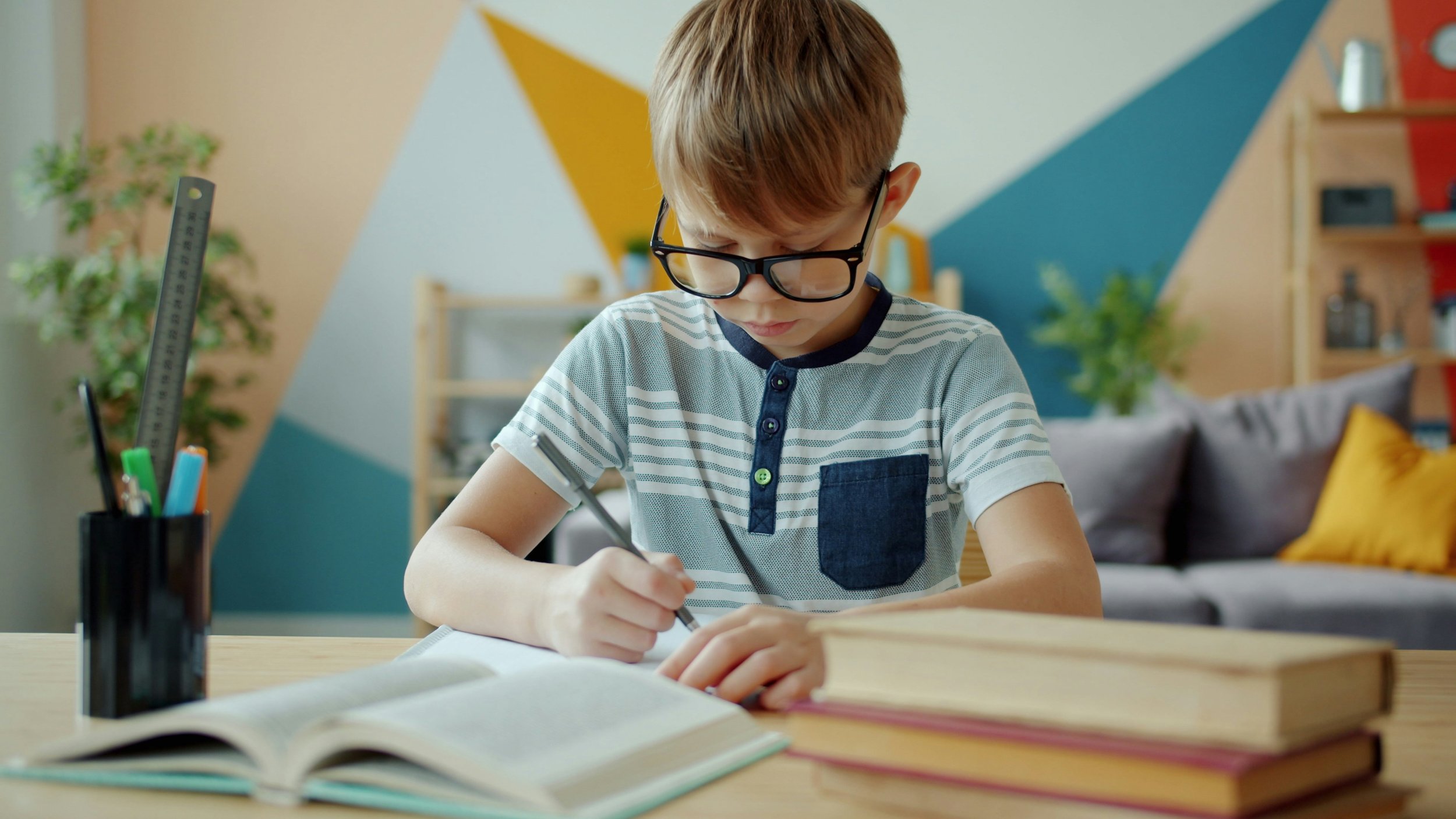
For most families, the decision to home educate doesn't start with a philosophy. It starts with a child who is struggling. Maybe it's the phone calls from school that have become a weekly occurrence. Maybe it's watching your child dissolve every Sunday night at the thought of Monday morning. Maybe it's years of reports that say "bright but disorganised" or "capable but distracted" — and the growing sense that the system sees your child as a problem to be managed rather than a person to be known. If this sounds familiar, you are not alone. And you are not failing.
The system was not designed for every child
Australian schools are extraordinary institutions staffed by dedicated professionals. But they were designed for a particular kind of learner — one who can sit still for extended periods, regulate their emotions in a crowded room, transition quickly between tasks, and thrive in a one-to-many teaching model. For neurotypical children in stable environments, this works reasonably well. For children with ADHD, autism, anxiety, sensory processing differences, trauma histories, or simply a learning style that doesn't fit the mold — it often doesn't. This isn't a criticism of teachers. Most teachers know exactly which children are falling through the cracks. The problem is structural. A classroom of 25 to 30 children, a packed curriculum, and a reporting system that measures a narrow band of skills leaves very little room to meet children where they are.
Something is shifting
In the years following the pandemic, rates of school refusal in Australia have risen sharply. Waiting lists for pediatric assessments stretch to years in some regions. Families are navigating NDIS applications, SSPs, modified timetables, and school-based interventions — often while their child's distress continues to escalate. For a growing number of these families, home education is not a last resort. It is a considered, deliberate choice — made when it becomes clear that continuing to send a dysregulated child into an environment that cannot meet their needs is doing more harm than good.
What home education actually looks like
Home education in Australia is legal, regulated, and more accessible than most people realise. Each state has its own registration authority and process, but in all three major states — Victoria, New South Wales, and Queensland — families can register and begin home educating without needing teaching qualifications. What it looks like in practice varies enormously. Some families follow a structured curriculum. Others use an interest-led or project-based approach. Many blend both, adjusting as they learn what works for their child. The common thread is flexibility — the ability to respond to your child's nervous system, learning style, and pace in a way that a classroom of 30 simply cannot. For children with additional needs, this flexibility is often transformative. When the sensory environment is manageable, when transitions are predictable, when learning happens in relationship rather than in a crowd — many children who were labelled as non-learners discover that they are, in fact, deeply curious and capable.
You don't have to figure it out alone
The biggest barrier most families face isn't the decision itself — it's not knowing where to start. Registration requirements, curriculum planning, learning documentation — it can feel overwhelming, especially when you're already exhausted from navigating the school system. That's why The Informed Homeschool exists. Created by an educator with over 20 years of experience in Victorian and NSW schools — including extensive work with neurodiverse learners, trauma-informed practice, and curriculum leadership — our resources are designed to make the practical side of home education clear and manageable. We're not here to tell you home education is right for every family. But if you're at the point where you're seriously considering it, we want to make sure you have the information you need to make that decision — and to get started with confidence if you do.
Ready to explore your options?
If you're in Victoria, New South Wales, or Queensland, we've created free state-specific registration guides to walk you through exactly what's required in your state.
Download the free VIC VRQA Registration Guide →
Download the free NSW Home Schooling Registration Guide →
Download the free QLD Home Education Registration Guide →
The Informed Homeschool provides evidence-informed resources for Australian home educating families. All resources are created by qualified educators with experience in Victorian and NSW curriculum, neurodiverse learner support, and student wellbeing.
When School Isn’t Working Anymore: Why Australian Families are Choosing Instead